Passport to English Logo

Lesson 14 - Animals
Navigation: Home Beginning Level Lesson 14 → Reading
Pages in this lesson: Vocabulary - Grammar - Listening - Dialogue - Reading - Pronunciation - Dictation - Game
This page: Read an article that describes the animals of North America.

Bear

"Animals of North America"
Reading Lesson

Key Words

Below you will find a list of key vocabulary you need to know to understand the lesson. Click on each word to hear it and practice its pronunciation.

mask
something that covers the face
tail
the long part of an animal’s body at the back
striped
having lines of different colors
paw
the foot of an animal like a bear, cat, or dog
dexterous
able to move hands or paws in a skillful way
container
something that holds or keeps things inside, like a box or jar
rodent
a small animal with sharp front teeth, like a mouse or beaver
flat
smooth and not curved or not raised
dam
a wall built across water to control the flow
river
a long, flowing body of water
stream
a small, narrow river
antlers
the hard, branched horns on a male deer or moose
male
a boy or man; or an animal that is not female
female
a girl or woman; or an animal that is not male
horns
hard, pointed growths on the heads of some animals
pounds
a unit used to measure weight
mammal
an animal that has hair and feeds milk to its babies


Practice

Select the correct word.

1. the foot of an animal like a bear, cat, or dog  
   

2. the long part of an animal’s body at the back  
   

3. something that holds or keeps things inside, like a box or jar  
   

4. having lines of different colors  
   

5. something that covers the face  
   

6. able to move hands or paws in a skillful way  
   

7. a small, narrow river  
   

8. the hard, branched horns on a male deer or moose  
   

9. a wall built across water to control the flow  
   

10. a long, flowing body of water  
     

11. smooth and not curved or not raised  
     

12. a small animal with sharp front teeth, like a mouse or beaver  
     

13. a girl or woman; or an animal that is not male  
     

14. a unit used to measure weight  
     

15. an animal that has hair and feeds milk to its babies  
     

16. a boy or man; or an animal that is not female  
     

17. hard, pointed growths on the heads of some animals  


Reading

Animals of North America

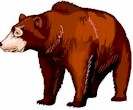
Bearbear
There are eight different kinds of bears in the world. Black bears and brown bears live in many areas of North America and polar bears live in parts of Canada and Alaska. Many kinds of bears hibernate, or sleep in the winter. This helps them save energy. In the winter the baby bears, or cubs, are born.

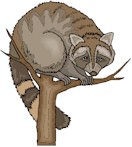
raccoonRaccoon
The raccoon is a small mammal that looks like it's wearing a mask. It has a striped tail. Raccoons are omnivorous, which means that they can eat many different things. They have very dexterous paws which they can use to open containers to get at the food inside.

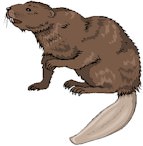
beaverBeaver
The beaver is a large rodent with a flat tail that it uses for swimming and for balancing. The beaver is famous for its ability to build dams in rivers and streams.

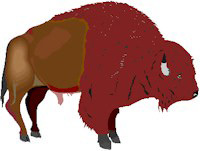
bisonBison
The bison, which is also called the buffalo, has a big head and curved horns. Bison live in herds, or groups of animals, in the western United States and Canada. An adult bison can weigh up to 2000 pounds and a large bison can eat as much as 60 pounds of grass a day!

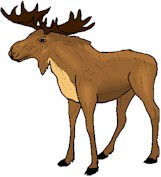
mooseMoose
A moose is a member of the deer family. In the spring the male moose grows a set of antlers on its head which he loses in the following winter. Moose can grow to be 7 feet tall and 1500 pounds. Moose are herbivores, which means that they eat plants.

► Listen to the reading


Practice

Select the correct answer.

1. What does "hibernate" mean?


2. Why do bears hibernate?


3. Which animal looks like it's wearing a mask?


4. What do moose eat?


5. What does "herd" mean?


6. Which animal builds dams?


Writing

Describe an animal (or animals) from your country or region.

Write in the comments section below. Passport to English is a community of people who want to learn English for free. Please be supportive of each other. If you see a mistake in someone's writing, please respond with the correction. Remember that comments other than those written by Janet Castrejon (the author of this website) do not represent Passport to English. If someone posts inappropriate comments on this page, please send a message to [email protected] and include the page where you saw the comment.



Next
The pronunciation of the letters V and B in English


Beginning English - Lesson 14 - Animals
Vocabulary - Grammar - Listening - Dialogue - Reading - Pronunciation - Dictation - Game


Important Links

Beginning - Intermediate - Advanced - Teachers

Pronouns - Pronunciation Rules - Verbs - Irregular Verbs

Vocabulary - Grammar - Pronunciation - Spelling

Common Words - Study Abroad

Dialogues - Reading