


Lesson 14 - Animals
Navigation: Home
→ Advanced Level
→ Lesson 14
→ Vocabulary
Pages in this lesson: Vocabulary - Grammar - Listening - Dialogue - Reading - Expressions - Dictation - Game
This page: Learn the different types of animals in English.
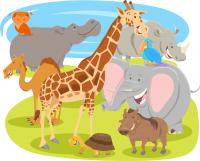
Click on the word to hear its pronunciation and repeat it.
Instructions
Select the class to which each animal belongs.
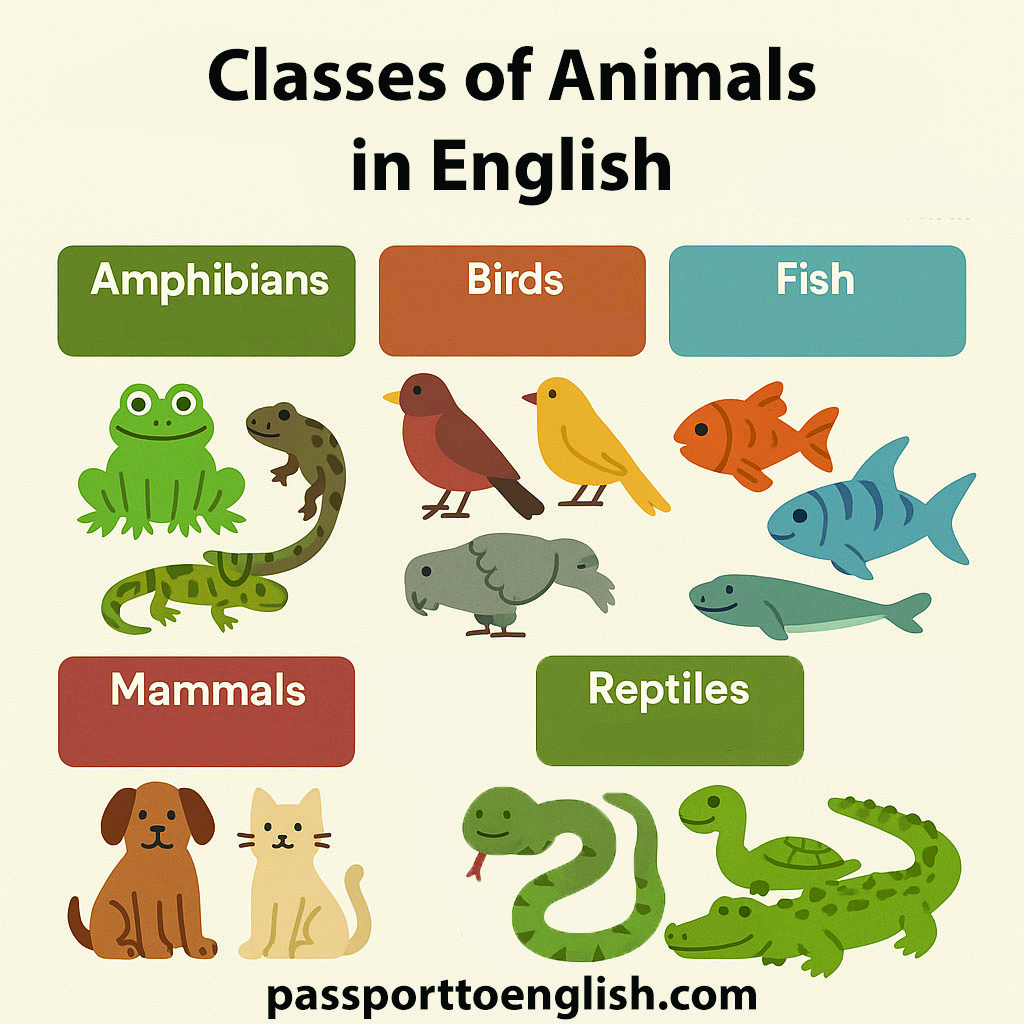
Share this image on your social media
or link to it from your website.
https://www.passporttoenglish.com/images25/infographics/classes-of-animals.jpg
Select the class to which each animal belongs. You can review the names of the animals in Lesson 14 of the Beginning Level.
What is your favorite type of animal? Why?
Write in the comments section below. Passport to English is a community of people who want to learn English for free. Please be supportive of each other. If you see a mistake in someone's writing, please respond with the correction. Remember that comments other than those written by Janet Castrejon (the author of this website) do not represent Passport to English. If someone posts inappropriate comments on this page, please send a message to mail@passporttoenglish.com and include the page where you saw the comment.

Restrictive and non-restrictive clauses
Advanced English -
Lesson 14 - Animals
Vocabulary - Grammar - Listening - Dialogue - Reading - Expressions - Dictation - Game
Do you prefer to learn English with short video lessons? Follow us on our "The English Minute" YouTube Channel.
Beginning - Intermediate - Advanced - Teachers
Pronouns - Pronunciation Rules - Verbs - Irregular Verbs
Vocabulary - Grammar - Pronunciation - Spelling